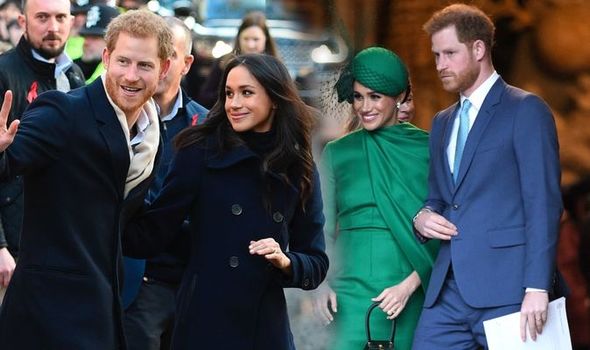
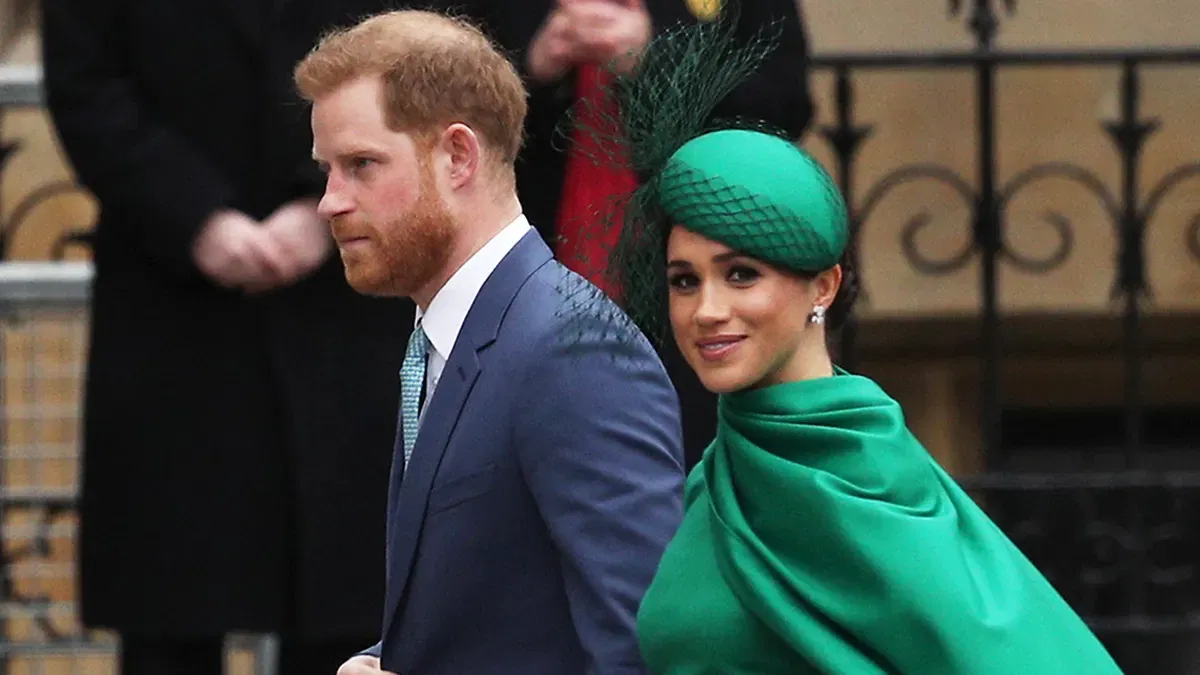
The reception room emptied slowly. One by one, the advisers, equerries, and senior staff slipped through the side doors, leaving only the family and the silence that had followed Catherine’s question. “What if no one is entirely right?” No one answered because everyone was remembering a different version of the same story. The Queen Mother rose with visible effort. Age had not made her fragile. It had made her deliberate. “There is something you must see.” She walked toward a narrow door hidden behind a velvet curtain near the fireplace. Most people who visited the palace assumed it led to a storage closet. It did not. It led to a private sitting room that had belonged to the late king. Adrian had not entered it in nearly a decade. Nicholas had not entered it since the funeral. The room smelled faintly of cedar and old paper. Books lined the walls from floor to ceiling. A large desk stood beneath a portrait of the first monarch who had lived in the palace. On the desk rested a blue wooden box with a brass lock. The Queen Mother placed her hand on it. “Your grandfather entrusted this to me.” She looked at both brothers. “He said it was not to be opened until the family faced a division that could no longer be repaired by ordinary means.” Adrian frowned. “You’ve had this all these years?” “Yes.” “And you never told us?” “He believed that if I told you, you would spend your lives waiting for it.” Nicholas stared at the box. “What is inside?” “I have never opened it.” That surprised everyone. “You never looked?” Catherine asked quietly. “I gave my word.” The Queen Mother removed a small key from a chain around her neck. Her fingers trembled only slightly. “I am old enough to know the difference between preserving history and preserving pride.” She unlocked the box. Inside were three envelopes. Each was sealed with dark red wax. One bore Nicholas’s name. One bore Adrian’s. The third bore no name at all. The Queen Mother handed each brother his envelope. The unmarked one remained in the box. “No matter what these letters contain,” she said, “I ask you to remember that they were written by a man who loved this family more than the institution it served.” Adrian broke the seal first. The paper was yellowed with age. The handwriting was unmistakable. My dear Adrian, If you are reading this, then I have failed in one of my greatest responsibilities. I have allowed my grandsons to become symbols before they were allowed to remain brothers. Adrian stopped reading. His throat tightened. Across the room, Nicholas unfolded his own letter. My dear Nicholas, The burden of inheritance is not that it gives you power. It is that it teaches everyone else to hide their pain from you. Minutes passed. No one spoke. The only sound was the clock on the mantel. Tick. Tick. Tick. Adrian continued reading. You will one day believe that leaving is an act of betrayal. Your brother will one day believe that staying is an act of surrender. Both of you will be wrong. The greatest danger is not departure. The greatest danger is resentment dressed as duty. He looked up sharply. Nicholas was staring at his own letter with an expression Adrian had never seen before. Fear. “What does yours say?” Nicholas hesitated. Then he read aloud. I raised your father to believe that strength meant silence. I now know that silence is inherited more easily than wisdom. Do not become a man who is admired by the nation and unknown by his own family. The words settled over the room like dust. Celia looked at Adrian. “That doesn’t sound like the grandfather everyone described.” “No,” Adrian whispered. “It sounds like the man we never got to know.” The Queen Mother sat in an armchair near the window. “There was a side of him that almost no one saw.” “Why hide it?” Catherine asked. “Because monarchs were not permitted the luxury of regret.” Nicholas folded his letter carefully. “There’s another page.” He turned it over. His expression changed. “What is it?” He looked directly at Adrian. “He wrote about you.” Adrian felt a sudden unease. Nicholas read slowly. If Adrian ever chooses a life beyond the palace, do not mistake that choice for rejection. He has always loved people more than systems. You have always loved systems because you believed they protected people. You will each think the other abandoned what mattered most. The tragedy is that you are protecting the same thing from opposite directions. No one moved. Celia pressed a hand against her mouth. Catherine looked from one brother to the other. The Queen Mother closed the box. “There is more.” She lifted the third envelope. The one with no name. “This was to be opened only if reconciliation seemed impossible.” She broke the seal. Inside was a single folded page. Her face lost color as she read it. “What is it?” Nicholas asked. She did not answer immediately. Instead she looked at the portrait above the desk. Then she whispered, “He knew.” “Knew what?” She looked at them with tears in her eyes. “He knew that the crisis would not begin with your generation.” “It began with ours.” Adrian frowned. “What does that mean?” The Queen Mother handed him the page. He read the first line. The greatest lie our family ever told was that the eldest son was always meant to inherit. He looked up. “What?” Nicholas took the page from him. As he read, his face became rigid. “This can’t be true.” The Queen Mother spoke quietly. “Your grandfather discovered documents that were deliberately hidden after the war.” “What documents?” “A legal challenge.” “A challenge to the succession.” Silence. Then Adrian asked the question that changed everything. “Are you saying someone else was supposed to become sovereign?” The Queen Mother shook her head. “No.” “I’m saying someone else gave it up.” The room seemed to shrink. “For whom?” Nicholas asked. “For the family.” She looked toward the blue box. “And the person who gave it up was never forgiven.” Outside, the palace bells began ringing again. The evening crowds believed the ceremony was over. Inside the old sitting room, another ceremony had just begun. One that involved no crowns, no cameras, and no applause. Only truth. And truth, Adrian realized, was far more dangerous than scandal. Because scandal could be survived. Truth demanded that someone change. And before dawn, the brothers would discover that the hidden sacrifice in the letter was connected to a woman whose name had been erased from every official record, a woman whose disappearance had shaped the destiny of the entire House for more than thirty years.
The name was written in faded ink across the bottom of the page. Elena Ashcombe. No title. No rank. No explanation. Just a name that seemed to have survived only because someone had forgotten to destroy it. Adrian read it twice. Then a third time. “I’ve never heard this name before.” “You were never meant to,” the Queen Mother said. Nicholas looked toward the shelves lining the walls. “You’re telling us an unknown woman influenced the succession of the entire House?” “She was not unknown.” “She was erased.” The distinction mattered. Erased implied intention. It implied fear. Catherine stepped closer. “Who was she?” The Queen Mother stood and crossed to the bookshelf. Her fingers moved across the spines with practiced familiarity until she stopped at a thick green volume that appeared untouched for years. She did not remove the book. Instead, she reached behind it. A quiet click echoed through the room. A narrow compartment opened inside the wall. Adrian stared. “How many secrets are hidden in this palace?” The Queen Mother gave him a tired smile. “You would be disappointed by the answer.” She withdrew a leather folder tied with a faded ribbon. Dust rose into the air as she placed it on the desk. “For decades I believed this should remain hidden.” She untied the ribbon. Inside were photographs. Letters. Newspaper clippings. A birth certificate. And a portrait. The woman in the portrait could not have been older than twenty-five. Dark hair. Steady eyes. A smile that looked almost defiant. Celia picked up the portrait carefully. “She looks familiar.” Adrian leaned closer. “She looks like…” He stopped. The resemblance was impossible to ignore. Not exact. Not obvious. But undeniable. The eyes. The jawline. The way she held her chin. “She looks like our mother.” The Queen Mother nodded. “She was your mother’s elder sister.” Silence. Nicholas looked stunned. “That’s impossible.” “Our mother had no sister.” “She did.” “You’re mistaken.” “I was at her funeral.” Nicholas shook his head. “We buried her.” The Queen Mother’s voice remained calm. “You buried the daughter history allowed you to remember.” The words struck harder than anyone expected. Adrian sank slowly into the chair beside the desk. “What happened to Elena?” The Queen Mother looked out the window. “She fell in love with the wrong man.” Adrian almost laughed. “That’s all?” “No.” “She refused to abandon him.” The room grew still. “She was engaged to a foreign diplomat,” the Queen Mother continued. “The match was politically disastrous.” “The government objected.” “The palace objected.” “The newspapers would have destroyed the monarchy.” “So they ended the engagement?” “No.” “They tried.” She paused. “Elena refused.” Nicholas frowned. “She could have simply left.” “She intended to.” “She was prepared to renounce everything.” “Titles.” “Wealth.” “Her place in the family.” “She said love without freedom was not love.” Celia looked at Adrian. Neither of them spoke. The Queen Mother opened another document. “This is the letter your grandfather received from her the night before she disappeared.” She handed it to Adrian. The handwriting was elegant but hurried. My dear brother, By the time you read this, I will already be gone. Do not look for me. If I stay, they will make you choose between the Crown and your sister. I will not be the reason you lose either. Tell Mother I loved her. Tell Father I forgive him. And one day, when the House is strong enough to survive honesty, tell the children that I existed. Adrian’s vision blurred. “She disappeared?” “Yes.” “No one knows where she went?” The Queen Mother hesitated. “I know where she went.” Everyone looked at her. “You knew all along?” “I received one letter.” “Only one.” “Twenty-eight years ago.” “Why didn’t you tell anyone?” “Because I promised her I wouldn’t.” Nicholas stared in disbelief. “You protected a lie.” “I protected a woman.” “There is a difference.” He turned away. “All these years.” “Our mother mourned a sister she was told had abandoned her.” “Our father never spoke of it.” “You let us grow up believing she had never existed.” The Queen Mother’s composure finally cracked. “You think I do not know the cost of that?” “You think I have not replayed that decision every night for thirty years?” “She begged me.” “She said the only gift the family could give her was absence.” “She wanted a life beyond these walls.” Catherine asked softly, “What was in the letter?” The Queen Mother reached into the folder. The envelope was worn thin from being opened too many times. She unfolded it carefully. “I have never read this aloud.” Her voice trembled. “I suppose it is time.” She began reading. I have a daughter. She is six years old. She laughs too loudly. She climbs trees. She asks impossible questions. She has never seen the palace. She does not know what she was born into. Please let that remain her greatest blessing. If she ever comes looking for us, tell her the truth. Tell her I was not exiled. Tell her I chose love. Tell her freedom has a price, but so does fear. The Queen Mother lowered the letter. No one spoke. A daughter. A living daughter. Adrian felt the room tilt beneath him. “She had a child.” “Yes.” “She is alive?” “I believe so.” Nicholas looked at the portrait again. “If she is alive, then she is our cousin.” “Yes.” “And she has no idea who she is.” The Queen Mother nodded. “She may know.” “She may not.” “I was never told where Elena settled.” “The letter came without a return address.” Adrian looked down at the folder. Beneath the letters was a train ticket. A map. And a small pressed flower. “What is this?” The Queen Mother smiled through tears. “Elena always pressed flowers inside her books.” “She said flowers remembered places better than people did.” Adrian turned the flower over gently. A single word had been written on the back. Greyhaven. “Where is Greyhaven?” The Queen Mother’s expression changed. “It was a village on the northern coast.” “Was?” “It no longer exists.” A cold silence settled over the room. “What happened to it?” The Queen Mother answered with a whisper. “The sea took it.” And in that moment, the mystery changed. They were no longer searching for a woman who had left the palace. They were searching for a bloodline swallowed by a vanished town, a child who had grown up under another name, and a truth that someone had worked very hard to keep buried beneath both water and history. On the back of the map, Adrian noticed a final handwritten note in his grandfather’s unmistakable script. Find the lighthouse before the tide returns.
The words were written in dark blue ink. Find the lighthouse before the tide returns. Adrian read them twice before looking up. “What does that mean?” The Queen Mother did not answer immediately. She was staring at the map as though it had become a doorway. “It means your grandfather believed there was still something left to find.” Nicholas traced the coastline with his finger. Greyhaven was marked with a small circle near a stretch of cliffs that no longer appeared on modern maps. A lighthouse had been drawn beside it. Not printed. Drawn by hand. Celia looked between the brothers. “You’re thinking the same thing.” Adrian nodded. “We have to go.” Nicholas exhaled slowly. “The village is gone.” “The lighthouse may not be.” “The note specifically mentions it.” Catherine looked at the Queen Mother. “Why didn’t you ever go?” “I tried.” Her answer surprised them. “I went twenty-three years ago.” Everyone turned toward her. “You never told us.” “I failed.” She walked to the window. “The road had already collapsed into the sea.” “The cliffs were unstable.” “The lighthouse had been abandoned for years.” “I was told it was too dangerous.” “So I turned back.” She closed her eyes. “It is one of the few decisions I have regretted every day since.” Adrian folded the map carefully. “Then we won’t turn back.” The Queen Mother looked at him with an expression that was almost fear. “Your grandfather believed someone was watching the lighthouse.” “Who?” “He never said.” “He only wrote one more sentence.” She opened the folder again and removed a narrow strip of paper. It looked as though it had been torn from a diary. She handed it to Adrian. Trust the keeper’s daughter. The room fell silent. “The keeper’s daughter?” Nicholas asked. “There was a lighthouse keeper?” “Yes.” “His name was Thomas Rowan.” “He served there for forty years.” “What happened to him?” “He disappeared the same year Greyhaven was abandoned.” Adrian looked at the map again. “This isn’t a family secret.” “This is a missing persons case.” “No,” the Queen Mother said quietly. “It is a family history.” The decision was made within the hour. No press. No security entourage. No official palace announcement. They would leave before dawn. For the first time in years, the brothers were working toward the same goal. Not because duty required it. Because blood did. The drive north took nearly seven hours. The city disappeared behind them. Then the suburbs. Then villages. Then long stretches of empty countryside where the roads narrowed and the sea began appearing between the hills. No one spoke much. Adrian drove. Nicholas sat beside him. The women were in the back. The silence was different from the silence at the palace. This one was not made of resentment. It was made of anticipation. Near noon they stopped at a small coastal inn. The owner was an elderly woman with silver hair and remarkably sharp eyes. She noticed the old map immediately. “You’re not tourists.” It was not a question. Adrian smiled politely. “We’re looking for Greyhaven.” The woman’s expression changed. She glanced toward the windows. Then she lowered her voice. “You shouldn’t ask about that place.” “Why not?” “Because the people who remember it don’t like strangers.” Nicholas leaned forward. “We’re looking for someone.” The woman looked at the map again. Her eyes settled on the hand-drawn lighthouse. “Where did you get this?” “It belonged to our grandfather.” She was silent for a long moment. Then she asked, “Was his name Edward?” Adrian’s heart skipped. “Yes.” The woman closed her eyes briefly. “I wondered if one of you would come someday.” The brothers exchanged a look. “You knew him?” “I knew the man he was searching for.” “Thomas Rowan?” She nodded. “My father.” No one moved. “You’re the keeper’s daughter.” The woman looked at Adrian carefully. “You have Elena’s eyes.” The room seemed to lose all sound. “You knew her.” “I loved her.” “She was my dearest friend.” Celia whispered, “She was real.” The woman gave a sad smile. “Real enough to break every rule that had ever been written for her.” She locked the front door of the inn. Turned the sign to CLOSED. And led them into a private sitting room overlooking the sea. “My name is Margaret Rowan.” “I have been waiting thirty years to tell this story.” She poured tea with hands that remained remarkably steady. “Elena arrived in Greyhaven during a storm.” “She was exhausted.” “She was pregnant.” “She carried almost nothing with her except a small suitcase, a violin, and a photograph of her family.” “She told us she had left a palace.” “We laughed because we thought she was speaking in metaphors.” “She wasn’t.” Margaret looked toward the cliffs beyond the window. “My father hid her.” “He gave her work in the lighthouse.” “She kept the weather records.” “She played music in the evenings.” “She helped the village children learn to read.” “She was happier than anyone had a right to be.” Nicholas asked quietly, “And the child?” Margaret smiled. “A girl.” “She was born in the keeper’s cottage.” “My mother delivered her.” “What was her name?” “Eliza.” Adrian repeated it softly. “Eliza.” “She inherited her mother’s stubbornness.” “She inherited her father’s kindness.” “And she inherited a history no one was allowed to speak aloud.” Margaret stood and walked to an old cabinet. She removed a small wooden box. Inside was a silver locket. “She left this behind.” Adrian opened it. Inside were two tiny portraits. One was Elena. The other was a young woman of about twenty. Dark hair. Steady eyes. The same defiant smile. “Eliza.” Margaret nodded. “This was taken a year before the sea came.” Nicholas looked sharply at her. “What happened?” Margaret’s face grew distant. “There was a storm unlike anything we had ever seen.” “The cliffs began collapsing.” “Houses were swallowed.” “The harbor vanished.” “The government ordered an evacuation.” “We had only a few hours.” “What happened to Elena?” Margaret looked down. “She did not leave with us.” The words landed heavily. “She stayed behind.” “Why?” “To find someone.” “Who?” “My father.” “He had gone to the lighthouse to keep the light burning.” “She said no one should die alone.” No one in the room spoke. Margaret’s voice became almost a whisper. “She took Eliza to the last evacuation boat.” “She kissed her daughter goodbye.” “She promised she would follow.” “She never did.” Adrian felt his chest tighten. “And Eliza?” “She survived.” “She was raised under another surname.” “She disappeared from the records before she turned eighteen.” Margaret looked directly at the brothers. “Someone came looking for her.” “When?” “About thirty years ago.” “Who?” “A man in a dark government car.” “He carried palace credentials.” “He asked many questions.” “He left with a photograph.” “And after that, every record connected to Elena and Eliza began disappearing.” The brothers stared at her. “Do you know who the man was?” Margaret nodded slowly. “I never forgot his face.” She opened a drawer. Removed an old photograph. And handed it to Nicholas. The blood drained from his face. Adrian looked over his shoulder. The man standing beside the lighthouse was their father. Not as a prince. Not as a young heir. But as a man desperately searching for someone the family had claimed did not exist. On the back of the photograph, in their father’s handwriting, were six words that changed the meaning of everything they had believed. I found the child too late.
The photograph lay on the table between the brothers. No one touched it. No one needed to. Their father’s handwriting had already done what decades of arguments could not. I found the child too late. Adrian stared at the words until they blurred. Nicholas was the first to speak. “What does ‘too late’ mean?” Margaret Rowan looked toward the sea. “It means he found her after she had already chosen a different life.” Silence settled over the room. Not the heavy silence of resentment. Not the brittle silence of pride. This was the silence that follows truth. The kind that leaves no room for pretending. Margaret opened another drawer and removed a bundle of letters tied with blue thread. “These were left with me.” “For whom?” “For whichever member of the family arrived without demanding a title first.” Adrian looked up. “What do you mean?” Margaret smiled gently. “Elena believed the right people would eventually come.” “But she also believed they would have to earn the story.” She handed the letters to Adrian. The top envelope was addressed simply. To my family, if they ever remember my name. His hands trembled as he opened it. The paper was worn, but the ink remained clear. My beloved family, If you are reading this, then someone has finally chosen love over reputation. Do not waste that miracle. I did not leave because I stopped loving you. I left because I could no longer survive being loved conditionally. A family is not a palace. A family is the place where truth can enter without asking permission. If you have spent years deciding who was right, stop. Ask instead who was lonely. Ask who was frightened. Ask who believed they had become invisible. That is where healing begins. Adrian lowered the letter. Celia quietly took his hand. Nicholas was staring out the window. His shoulders, which had carried the posture of inheritance for most of his life, seemed suddenly human. “There’s more,” Catherine whispered. Adrian turned the page. I know what you will wonder. You will wonder whether I regretted leaving. The answer is no. I regretted the silence that followed. I regretted birthdays missed. Children never met. Conversations postponed until they became impossible. Do not make the same mistake. If there is still time, choose each other. Not because history demands it. Because history eventually forgets everyone. Love does not. The room was very still. Margaret wiped away a tear she had stopped hiding. “She wrote that three weeks before the storm.” Nicholas looked at the remaining letters. “Did Eliza ever know any of this?” Margaret nodded. “She knew enough.” “She knew her mother came from a powerful family.” “She knew that family believed it was protecting itself.” “She never hated you.” “How can you know that?” “Because she refused every opportunity to tell her story publicly.” “She said revenge was another way of remaining trapped.” Adrian asked quietly, “Where is she now?” Margaret hesitated. Then she smiled. “I can answer that.” She stood. Walked to the front door. And opened it. A woman was standing outside. She was perhaps in her early fifties. Wind had caught strands of dark hair around her face. She carried a canvas bag over one shoulder. Her eyes were unmistakable. Elena’s eyes. Adrian felt the air leave his lungs. “Eliza.” She nodded once. “Yes.” No one moved. Fifty years of absence stood in a doorway overlooking the sea. Nicholas stepped forward instinctively. Then stopped. “I don’t know what to say.” Eliza looked at him with surprising kindness. “You could start with hello.” He laughed unexpectedly. It broke something open inside him. “Hello.” “Hello, Nicholas.” She knew his name. She knew all their names. They sat together for hours. The afternoon light slowly shifted across the floor. Eliza spoke of her childhood. The lighthouse. The village before the storm. Her mother’s violin. The stories Elena used to tell about gardens inside palace walls. “She never spoke bitterly,” Eliza said. “She spoke sadly.” “She missed her family every day.” Adrian asked, “Did she ever try to return?” Eliza looked at the sea. “Twice.” “The first time she reached the capital and turned back before entering the gates.” “The second time she wrote a letter.” “She never sent it.” Margaret handed Adrian one final envelope. “This was found after Elena died.” He opened it carefully. My dear brother, I stood outside the palace today. I watched the lights in the windows. I imagined you all inside. I realized something. Home is not the place that refuses to lose you. Home is the place that still has a chair waiting when you return. I hope one day we become that kind of family. I hope our children inherit less fear than we did. I hope they speak before silence becomes tradition. Goodbye for now. Not forever. Love, Elena No one spoke for a long time. Eventually Nicholas looked at Eliza. “There should have been a chair waiting for you.” She smiled gently. “There is one now.” The next morning they walked together to the cliffs. The lighthouse still stood. Weathered. Cracked. Leaning slightly toward the sea. Inside, dust covered the old staircase. The lantern room was empty. But the windows still faced every horizon. Adrian climbed to the top first. Nicholas followed. The women came behind them. On the wall beneath the lantern was a carved inscription. It had almost disappeared beneath years of salt and wind. Nicholas brushed away the dust. The words emerged slowly. Keep the light, not the legend. The brothers stood side by side. For the first time in many years, neither of them was trying to win. Adrian looked at Nicholas. “I blamed you.” “I know.” “I thought you chose the institution over me.” Nicholas was quiet. “I thought you chose freedom over all of us.” “I was wrong.” “So was I.” The apology was simple. It was enough. They embraced. Not for the cameras. Not for history. For themselves. When they returned to the palace a week later, the blue box was placed in the royal archives with one important difference. It was not sealed. Every letter was catalogued. Every photograph preserved. Elena’s portrait was restored and hung in the family gallery. Her name was added to the official record. Not as a scandal. As a daughter. As a sister. As a mother. As a woman who chose love and paid dearly for it. The Queen Mother stood before the portrait during the unveiling. “She was never the shame of this family,” she said quietly. “She was its courage.” Years later, visitors would ask why the portrait of Elena Ashcombe occupied such a prominent place in the gallery. The guides would tell them that she had once been erased from history. They would explain that a family had nearly lost itself by protecting its image more fiercely than its people. They would point toward the lighthouse painting beside her portrait. And they would repeat the words carved into the stone above the sea. Keep the light, not the legend. Because palaces can survive scandal. Titles can survive controversy. History can survive revision. But families survive only when someone is brave enough to open the door, tell the truth, and leave a chair waiting for the one who comes home. And in the end, that was the only inheritance that truly mattered. The sea kept the village. Time kept the sorrow. But love, patient and imperfect, kept the light. The End.