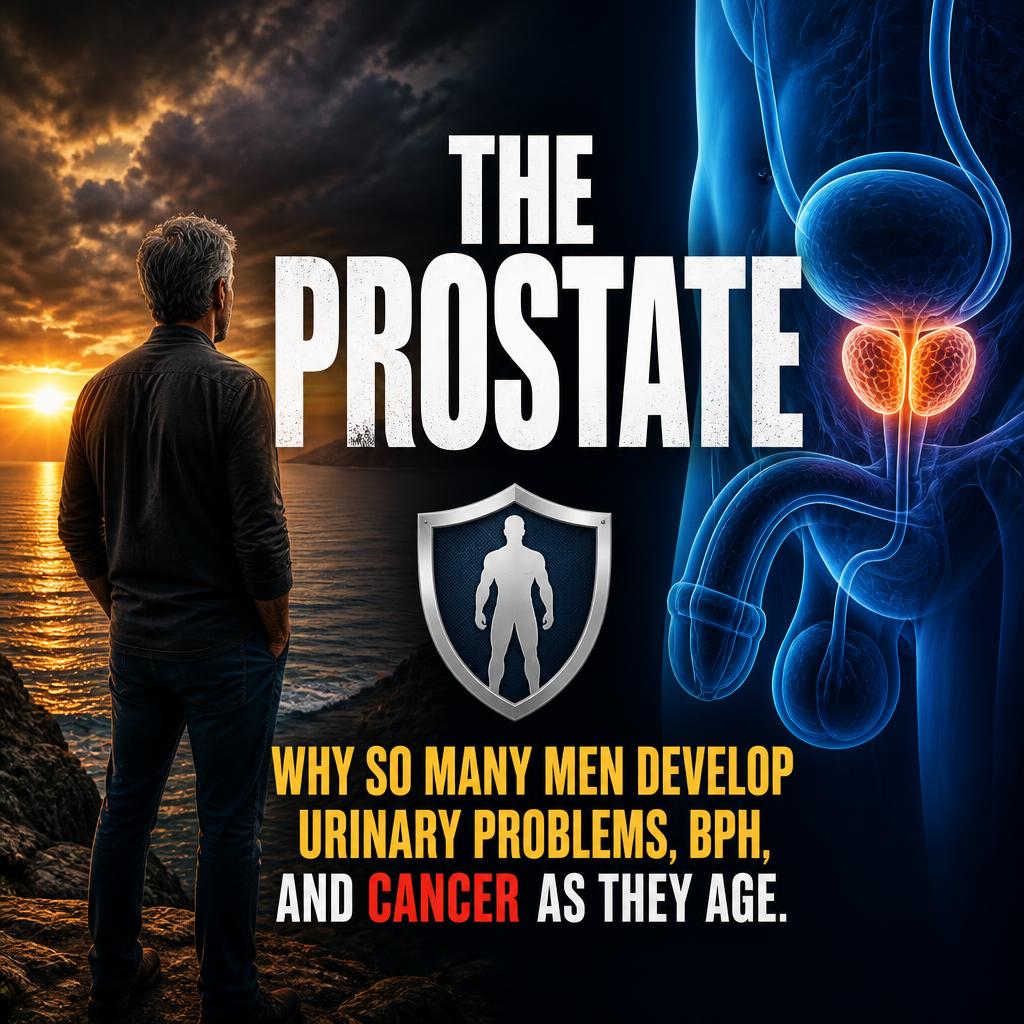
And one of the least understood — by the men who carry it, the partners who care about them, and too often, the physicians who manage it.
Most men do not think about their prostate until one of three things happens. They develop urinary symptoms that disrupt sleep and daily life. They receive a PSA result that sends them into a diagnostic cascade of anxiety, biopsies, and decisions they were never adequately prepared to make. Or they are diagnosed with prostate cancer — the most common non-skin cancer in men — and suddenly face a treatment landscape where every option carries significant consequences for function and quality of life.
All three of these moments arrive too late.
Because the prostate begins changing in the third decade of life. Because the dietary, hormonal, inflammatory, and environmental inputs that ultimately determine whether the prostate remains healthy or becomes a source of chronic symptoms, progressive enlargement, or malignant transformation begin accumulating quietly across decades. Because the terrain medicine approach to prostate health — addressing the hormonal balance, the inflammatory burden, the nutritional status, and the lifestyle patterns that govern prostate tissue biology — is almost never part of the conversation until something has already gone significantly wrong.
This guide is about having that conversation earlier. About understanding what the prostate does, what drives its dysfunction, what the evidence says about prevention and support, and what a genuinely comprehensive approach to prostate health looks like — at every age.
↓ Keep reading. This is the prostate conversation most men never get to have.
 𝐖𝐇𝐀𝐓 𝐓𝐇𝐄 𝐏𝐑𝐎𝐒𝐓𝐀𝐓𝐄 𝐀𝐂𝐓𝐔𝐀𝐋𝐋𝐘 𝐈𝐒
The prostate is a walnut-sized glandular organ — approximately 20–30 grams in a healthy adult man — located just below the bladder and in front of the rectum. The urethra — the tube carrying urine from the bladder to the penis — runs directly through the centre of the prostate.
This anatomical position is fundamental to understanding prostate pathology. When the prostate enlarges — from benign growth or malignancy — it compresses the urethral lumen, producing the urinary symptoms that are the most common clinical manifestation of prostate disease.
Structure:
The prostate is a compound tubuloalveolar gland — it contains secretory glands embedded in a fibromuscular stroma (supporting tissue containing both smooth muscle and connective tissue).
It is anatomically divided into zones — each with distinct biological properties and distinct susceptibility to different disease processes:
→ Peripheral zone — approximately 70% of glandular tissue; the largest zone; surrounds the distal urethra; the zone where approximately 70–80% of prostate cancers originate; can be palpated during digital rectal examination (DRE)
→ Transition zone — approximately 5–10% of glandular tissue in young men; surrounds the proximal urethra; the zone where benign prostatic hyperplasia (BPH) primarily originates; grows progressively with age — in older men it can account for the majority of total prostate volume
→ Central zone — approximately 25% of glandular tissue; surrounds the ejaculatory ducts; relatively resistant to cancer; the zone traversed by the ejaculatory ducts
→ Anterior fibromuscular stroma — not glandular; provides structural support
The function of the prostate:
The prostate is primarily a secretory gland — its primary function is the production of prostatic fluid — a component of semen that contributes approximately 20–30% of total seminal volume.
Prostatic fluid contains:
→ Prostate-specific antigen (PSA) — a serine protease that liquefies seminal coagulum after ejaculation; facilitates sperm mobility; the same protein measured in blood PSA tests (blood PSA comes from leakage of prostatic secretions into the circulation)
→ Zinc — prostatic fluid contains the highest zinc concentration of any body fluid; zinc has direct antimicrobial activity protecting the urethra and reproductive tract; intraprostatic zinc is one of the most important natural defences against prostate infection and malignant transformation
→ Citric acid — the prostate is one of the few organs in the body that actively accumulates citrate; prostatic citric acid contributes to semen buffering and sperm energy metabolism
→ Spermine and spermidine — polyamines contributing to sperm function and DNA stabilisation; spermidine has emerging longevity-associated properties as covered in earlier guides
→ Prostatic acid phosphatase — an enzyme historically used as a prostate cancer marker before PSA
→ Antimicrobial proteins — defensins and other proteins protecting against urogenital infection
Hormonal sensitivity:
The prostate is profoundly hormone-responsive — both its normal development and its pathological growth are androgen-dependent.
→ Testosterone and DHT (dihydrotestosterone) — the primary growth stimulants; DHT — produced locally in the prostate by 5-alpha reductase type 2 — is the dominant intraprostatic androgen; approximately 5–10 times more potent than testosterone at the androgen receptor; drives both normal prostate development and the excessive growth of BPH and androgen-dependent prostate cancer
→ Oestrogen — present in men through aromatase conversion of testosterone; exerts complex effects on prostate tissue; may drive stromal (connective tissue) growth in BPH while potentially having protective effects against some epithelial cancers at physiological levels; elevated oestrogen from aromatase excess (obesity, ageing) is increasingly understood as a driver of BPH
→ Prolactin — directly stimulates prostate epithelial growth; elevated prolactin (from stress, medications, hypothyroidism, or pituitary adenoma) is an underrecognised driver of prostatic growth
→ IGF-1 — a growth factor directly stimulating prostate epithelial proliferation; elevated IGF-1 from high insulin, high animal protein intake, and metabolic syndrome is associated with elevated prostate cancer risk
 𝐓𝐇𝐄 𝐓𝐇𝐑𝐄𝐄 𝐌𝐀𝐉𝐎𝐑 𝐏𝐑𝐎𝐒𝐓𝐀𝐓𝐄 𝐂𝐎𝐍𝐃𝐈𝐓𝐈𝐎𝐍𝐒 — 𝐁𝐈𝐎𝐋𝐎𝐆𝐘 𝐀𝐍𝐃 𝐑𝐎𝐎𝐓 𝐂𝐀𝐔𝐒𝐄𝐒
 𝐁𝐞𝐧𝐢𝐠𝐧 𝐏𝐫𝐨𝐬𝐭𝐚𝐭𝐢𝐜 𝐇𝐲𝐩𝐞𝐫𝐩𝐥𝐚𝐬𝐢𝐚 (𝐁𝐏𝐇) — 𝐭𝐡𝐞 𝐞𝐩𝐢𝐝𝐞𝐦𝐢𝐜 𝐨𝐟 𝐦𝐚𝐥𝐞 𝐚𝐠𝐞𝐢𝐧𝐠
BPH is the most common benign tumour in men — affecting approximately 50% of men by age 60 and 90% of men by age 85.
It is characterised by non-malignant enlargement of the prostate — primarily in the transition zone surrounding the urethra — producing progressive lower urinary tract symptoms (LUTS):
→ Storage symptoms — urinary urgency, frequency (including nocturia — waking at night to urinate), urgency incontinence
→ Voiding symptoms — weak stream, hesitancy (difficulty initiating urination), intermittency (stream that stops and starts), straining, sensation of incomplete bladder emptying
→ Post-micturition symptoms — post-void dribbling, feeling of incomplete emptying
The conventional treatment cascade: watchful waiting → alpha-blockers (tamsulosin, alfuzosin — relaxing smooth muscle) → 5-alpha reductase inhibitors (finasteride, dutasteride — reducing DHT-driven prostate growth) → surgical intervention (TURP, laser procedures).
What conventional medicine largely ignores — the root causes:
→ DHT excess and androgen sensitivity — 5-alpha reductase activity in the prostate increases with age; more testosterone is converted to DHT; intraprostatic DHT accumulates; the androgen receptor in the transition zone becomes increasingly sensitive
→ Oestrogen dominance — ageing men experience rising oestrogen relative to testosterone (through increased aromatase activity in expanding adipose tissue and age-related testosterone decline); oestrogen drives stromal proliferation in the transition zone; the oestrogen:androgen ratio — not testosterone alone — is increasingly understood as the key hormonal driver of BPH
→ Chronic inflammation — BPH tissue shows chronic inflammatory infiltration; prostatic inflammation drives fibrosis, tissue remodelling, and the cytokine-mediated proliferative signalling that drives BPH progression; chronic prostatitis and BPH are closely related
→ Metabolic syndrome — insulin resistance, obesity, and metabolic dysfunction are strongly associated with BPH; hyperinsulinaemia directly stimulates prostate growth through IGF-1 and insulin receptor pathways; visceral fat produces the aromatase that drives the oestrogen excess; BPH should be understood as a metabolic disease in many cases
→ Zinc deficiency — prostate tissue accumulates zinc at concentrations 10 times higher than any other soft tissue; zinc inhibits 5-alpha reductase and directly counteracts DHT-driven proliferation; zinc deficiency — extraordinarily common in modern populations — removes this natural brake on prostatic growth
→ Sympathetic nervous system activation — the smooth muscle component of the prostate is sympathetically innervated; chronic sympathetic activation (chronic stress) produces alpha-adrenergic receptor-mediated smooth muscle contraction — worsening urinary obstruction; this is the mechanism of alpha-blocker benefit and explains why stress directly worsens BPH symptoms
→ Gut dysbiosis — emerging evidence for the gut microbiome influencing prostatic inflammation through systemic immune effects and oestrogen metabolism (the oestrobolome — discussed in the sex hormones guide — directly governs oestrogen recirculation)
𝐏𝐫𝐨𝐬𝐭𝐚𝐭𝐢𝐭𝐢𝐬 — 𝐭𝐡𝐞 𝐮𝐧𝐝𝐞𝐫-𝐝𝐢𝐚𝐠𝐧𝐨𝐬𝐞𝐝 𝐩𝐚𝐢𝐧 𝐜𝐨𝐧𝐝𝐢𝐭𝐢𝐨𝐧Prostatitis — inflammation of the prostate — is the most common urological diagnosis in men under 50 and affects approximately 10–15% of men at some point in their lives.
The NIH classification:
→ Category I — Acute bacterial prostatitis — relatively uncommon; sudden onset fever, chills, pelvic pain, urinary symptoms; bacteria identifiable on culture; requires antibiotic treatment; can progress to abscess if untreated; medical emergency
→ Category II — Chronic bacterial prostatitis — recurrent urinary tract infections from the same organism; chronic pelvic pain; bacteria identifiable on prostate secretion culture; requires prolonged antibiotic courses (4–6 weeks); bacteria form biofilms in prostatic ducts that resist standard courses
→ Category III — Chronic prostatitis/chronic pelvic pain syndrome (CP/CPPS) — the most common category; accounting for approximately 90–95% of prostatitis diagnoses; characterised by chronic pelvic pain (perineum, testicles, penis, lower abdomen) often with voiding symptoms and sexual dysfunction; no bacteria identifiable on standard culture; pathophysiology is complex and incompletely understood
→ Category IIIA — Inflammatory — white blood cells present in prostate secretions
→ Category IIIB — Non-inflammatory — no white blood cells; purely pain-driven
→ Category IV — Asymptomatic inflammatory prostatitis — inflammatory cells found incidentally; no symptoms
The root causes and mechanisms of CP/CPPS:
→ Pelvic floor dysfunction — the most consistently important but least recognised mechanism; chronic hypertonic pelvic floor (excessive pelvic floor tension) creates a self-reinforcing cycle of pelvic pain, protective muscle guarding, further tension, and worsening pain; pelvic floor physiotherapy is one of the most effective treatments for CP/CPPS — and one of the least offered
→ Neurogenic inflammation — nerve sensitisation in pelvic pain pathways; substance P and CGRP release from sensitised nerve endings drives non-bacterial inflammation in prostatic tissue; this central sensitisation mechanism is shared with interstitial cystitis, irritable bowel syndrome, and fibromyalgia — which co-occur with CP/CPPS at elevated rates
→ Immune dysregulation — aberrant immune responses (T cell and mast cell-mediated) in the prostate without identifiable bacterial cause; autoimmune mechanisms have been proposed
→ Microbiome and biofilm — emerging evidence for difficult-to-culture organisms (Ureaplasma, Mycoplasma) and bacterial biofilms in prostatic ducts as occult drivers of inflammation in some CP/CPPS patients
→ Trauma history — adverse psychological experiences and PTSD are significantly over-represented in CP/CPPS; the pelvic holding patterns and autonomic dysregulation of trauma directly contribute to pelvic floor hypertonicity and pain sensitisation
→ Nutritional factors — zinc deficiency removes the natural antimicrobial and anti-inflammatory protection of prostatic fluid; inflammatory dietary patterns drive the neurogenic and immune components of prostatic inflammation
𝐏𝐫𝐨𝐬𝐭𝐚𝐭𝐞 𝐜𝐚𝐧𝐜𝐞𝐫 — 𝐭𝐡𝐞 𝐦𝐨𝐬𝐭 𝐜𝐨𝐦𝐦𝐨𝐧 𝐜𝐚𝐧𝐜𝐞𝐫 𝐢𝐧 𝐦𝐞𝐧Prostate cancer is the most common non-skin cancer in men — with approximately 1.4 million new cases diagnosed globally each year. It is the second most common cause of cancer death in men in developed countries.
The biology of prostate cancer is more complex and more heterogeneous than its prevalence suggests:
→ The majority of prostate cancers are slow-growing, hormone-sensitive, and may never progress to life-threatening disease; autopsy studies consistently find occult prostate cancer in 30–40% of men over 50 — cancer present but never clinically significant
→ A minority of prostate cancers are aggressive — rapidly proliferating, capable of extraprostatic invasion, lymph node involvement, and distant metastasis — and genuinely life-threatening
→ The central clinical challenge: distinguishing the slow-growing majority from the aggressive minority; the PSA test — the primary screening tool — cannot reliably make this distinction; this is the fundamental problem driving prostate cancer overdiagnosis and overtreatment
The Gleason score and grading:
Prostate cancer is graded by the Gleason system (1–10) or the more modern Grade Group system (1–5) — both reflecting the degree of glandular architectural disruption in the tumour. Higher grades indicate more aggressive biology.
→ Gleason 3+3=6 (Grade Group 1) — well-differentiated; generally very indolent; many experts argue this should not be called cancer; risk of progression to metastatic disease is extremely low; active surveillance (monitoring without immediate treatment) is the standard recommendation in current guidelines
→ Gleason 3+4=7 (Grade Group 2) and 4+3=7 (Grade Group 3) — intermediate risk; more complex decision-making; treatment vs. active surveillance depends on multiple factors
→ Gleason 8–10 (Grade Groups 4–5) — high grade; aggressive; generally requires treatment
The root causes and drivers of prostate cancer:
→ Hormonal environment — prostate cancer in its early stages is androgen-dependent; DHT drives proliferation of androgen-receptor-expressing prostate epithelial cells; elevated DHT from 5-alpha reductase excess or exogenous androgens promotes cancer growth; paradoxically, very low testosterone may also promote cancer (the saturation model); the relationship between testosterone and prostate cancer is complex and context-dependent
→ IGF-1 — one of the most consistent cancer risk drivers; IGF-1 stimulates prostate epithelial proliferation and inhibits apoptosis; elevated IGF-1 from hyperinsulinaemia, high animal protein intake (particularly dairy), obesity, and metabolic syndrome significantly elevates prostate cancer risk
→ Chronic inflammation — prostatic inflammation creates a mutagenic microenvironment; reactive oxygen species, inflammatory cytokines, and growth factors from chronically inflamed prostatic tissue drive the DNA damage and proliferative signalling that initiates malignant transformation; epidemiological associations between prostatitis and prostate cancer are consistent
→ Oxidative stress — prostate cancer cells show characteristic mitochondrial dysfunction and elevated oxidative stress; the loss of the citric acid accumulation that characterises normal prostate tissue is one of the earliest markers of malignant transformation (malignant prostate cells lose the ability to accumulate citrate — switching to glycolysis — the Warburg effect)
→ Dietary pattern — multiple large epidemiological studies have identified dietary patterns associated with prostate cancer risk; high intake of dairy (through IGF-1), highly processed meat, and Western dietary pattern are consistently associated with elevated risk; Mediterranean dietary pattern, lycopene from tomatoes, cruciferous vegetables, and diverse plant foods are consistently protective
→ Zinc deficiency — malignant prostate cells lose the ability to accumulate zinc; zinc is cytotoxic to prostate cancer cells but not to normal prostate cells (through a unique zinc-mediated apoptosis pathway); prostate cancer tissue consistently shows dramatically lower zinc levels than normal prostate tissue; zinc deficiency removes a natural cancer-suppressive mechanism
→ Vitamin D deficiency — vitamin D receptors are expressed in prostate cells; vitamin D has direct anti-proliferative, pro-differentiating, and pro-apoptotic effects on prostate epithelium; vitamin D deficiency is associated with increased prostate cancer risk and more aggressive tumour behaviour; the geographic association between prostate cancer mortality and sun exposure (latitude) is one of the most consistent cancer epidemiology findings
→ Lycopene and tomato consumption — the inverse association between lycopene consumption and prostate cancer risk is one of the most consistent nutritional epidemiology findings for prostate cancer specifically; lycopene accumulates in prostate tissue, exerts antioxidant activity, inhibits IGF-1 signalling, and has direct anti-proliferative effects on prostate cancer cells
→ Selenium — selenium has been studied extensively for prostate cancer prevention; SELECT trial (selenium and vitamin E cancer prevention trial) was the most ambitious attempt to test supplementation and showed no benefit from selenium supplementation alone — but this trial used selenomethionine in already selenium-replete men; the relationship between baseline selenium status and prostate cancer risk from observational studies remains significant
→ Genetic factors — BRCA1 and BRCA2 mutations significantly elevate prostate cancer risk; other DNA repair gene variants (ATM, CHEK2, HOXB13) also elevate risk; family history is a significant independent risk factor; genetic counselling and earlier screening are warranted in men with strong family history
 𝐏𝐒𝐀 𝐓𝐄𝐒𝐓𝐈𝐍𝐆 — 𝐓𝐇𝐄 𝐌𝐎𝐒𝐓 𝐌𝐈𝐒𝐔𝐍𝐃𝐄𝐑𝐒𝐓𝐎𝐎𝐃 𝐓𝐄𝐒𝐓 𝐈𝐍 𝐌𝐄𝐍’𝐒 𝐇𝐄𝐀𝐋𝐓𝐇
Prostate-specific antigen (PSA) is a serine protease produced by prostate epithelial cells and secreted into prostatic fluid. Small amounts leak into the bloodstream — and can be measured as serum PSA.
PSA is not a cancer marker. It is a prostate marker.
PSA rises with:
→ Prostate cancer — both localised and metastatic
→ BPH — benign prostatic enlargement alone raises PSA
→ Prostatitis — acute bacterial prostatitis dramatically elevates PSA; chronic prostatitis moderately elevates it
→ Recent ejaculation — PSA rises transiently after ejaculation; abstain 48 hours before PSA testing
→ Digital rectal examination — moderately elevates PSA; collect blood before DRE or at least one week after
→ Urinary tract infection
→ Vigorous cycling or perineal trauma
→ TRUS (transrectal ultrasound) and biopsy — dramatically elevates PSA for weeks
PSA does not distinguish cancer from BPH from prostatitis — all elevate it.
Understanding PSA values:
Standard reference: PSA below 4.0 ng/mL is considered “normal” in most guidelines; above 4.0 ng/mL triggers biopsy recommendation in conventional medicine.
This threshold is clinically inadequate:
→ Prostate cancer can occur with PSA below 4.0 — approximately 25% of men with PSA below 4.0 have prostate cancer on biopsy; approximately 15% with PSA below 2.0 have prostate cancer
→ PSA above 4.0 is more commonly caused by BPH than cancer — the positive predictive value of PSA above 4.0 for cancer is approximately 25–30%; meaning 70–75% of men biopsied for PSA above 4.0 do not have cancer
The more clinically useful PSA metrics:
→ PSA velocity — the rate of PSA change over time; a rise of more than 0.75 ng/mL per year is more suspicious for cancer than any single absolute value; requires at least 2–3 measurements over 12–18 months
→ PSA doubling time — how quickly PSA is doubling; short doubling time (below 3 years) in a patient with known prostate cancer indicates aggressive biology; longer doubling time indicates indolent biology
→ PSA density — PSA divided by prostate volume (measured by ultrasound); higher PSA density for a given PSA level increases the probability that the elevation is cancer-related rather than BPH-related; PSA density above 0.15 ng/mL/cc is considered elevated
→ Free PSA percentage — PSA exists in bound form (attached to proteins) and free form; in cancer, more PSA is in bound form; a low percentage of free PSA (below 10–15%) increases cancer probability; a higher free PSA percentage (above 25%) is more consistent with BPH
→ PSA isoforms — phi (prostate health index) and 4K score — more sophisticated blood tests combining PSA isoforms to improve cancer prediction; significantly reduce unnecessary biopsies compared to total PSA alone
→ Age-adjusted PSA — younger men should have lower PSA; an age-specific approach considers PSA above 2.5 ng/mL in men under 50 as warranting further investigation
MRI before biopsy — the critical advance:
Multiparametric MRI (mpMRI) of the prostate — before biopsy — has transformed prostate cancer diagnosis:
→ Can identify clinically significant tumours and guide targeted biopsies to suspicious areas rather than random sampling
→ Significantly reduces detection of clinically insignificant (Gleason 3+3) cancers — reducing overdiagnosis
→ Improves detection of clinically significant (Gleason 4+3 and above) cancers — reducing missed diagnoses
→ The PROMIS and PRECISION trials established that mpMRI-guided biopsy outperforms standard random biopsy
→ European guidelines now recommend mpMRI before prostate biopsy; this standard should be expected and requested
Active surveillance — the most important paradigm shift:
The recognition that low-grade prostate cancer (Gleason 6/Grade Group 1) can be safely monitored without immediate treatment — through regular PSA, MRI, and repeat biopsy — has been one of the most important advances in prostate cancer management of the past two decades.
Active surveillance is now standard of care for low-risk prostate cancer in all major guidelines. The PROTECT trial demonstrated that 10-year prostate cancer mortality was equivalently low (approximately 1%) whether men with low-risk cancer were treated with radical prostatectomy, radiotherapy, or active surveillance.
Men with low-risk prostate cancer who are offered immediate treatment should ask specifically about active surveillance and why it is not being recommended for them.
 𝐇𝐎𝐖 𝐓𝐎 𝐒𝐔𝐏𝐏𝐎𝐑𝐓 𝐏𝐑𝐎𝐒𝐓𝐀𝐓𝐄 𝐇𝐄𝐀𝐋𝐓𝐇 — 𝐓𝐇𝐄 𝐂𝐎𝐌𝐏𝐑𝐄𝐇𝐄𝐍𝐒𝐈𝐕𝐄 𝐏𝐑𝐀𝐂𝐓𝐈𝐂𝐀𝐋 𝐆𝐔𝐈𝐃𝐄
This guide addresses all three prostate conditions — BPH, prostatitis, and cancer prevention — with evidence-based interventions organised by mechanism.
 1. Lycopene and tomato consumption — the most specific prostate nutrient
→ Lycopene is a carotenoid found primarily in tomatoes — the most studied dietary compound for prostate health
→ Multiple prospective cohort studies demonstrate inverse associations between lycopene intake and prostate cancer risk; the Harvard Physicians’ Health Study found that men consuming tomato sauce twice weekly had 23% reduced prostate cancer risk compared to those consuming it rarely
→ Lycopene accumulates in prostate tissue — reaching the highest concentration of any carotenoid in this organ; prostatic lycopene concentration is inversely associated with prostate cancer risk
→ Mechanisms: antioxidant activity in prostate tissue, inhibition of IGF-1 signalling (reducing the primary prostate cancer growth driver), cell cycle arrest in prostate cancer cells, anti-angiogenic effects
→ Bioavailability: cooked tomatoes provide significantly more bioavailable lycopene than raw; lycopene absorption is dramatically enhanced by fat; tomato sauce cooked in olive oil — the Mediterranean dietary staple — represents the optimal delivery form
→ Practical application: tomato sauce, passata, tomato paste, cooked tomatoes — 2–4 servings per week; lycopene supplements 15–30mg daily as an alternative or addition to dietary sources
 2. Zinc — the prostate’s primary mineral defence
→ The prostate accumulates zinc at concentrations 10 times higher than any other soft tissue; prostatic fluid zinc is 500–1,000 times higher than serum zinc; this extraordinary zinc accumulation is unique to the prostate and fundamental to its function and defence
→ Zinc inhibits 5-alpha reductase — reducing intraprostatic DHT; directly counteracts the primary hormonal driver of both BPH and androgen-dependent prostate cancer
→ Zinc is directly cytotoxic to prostate cancer cells through a unique zinc-induced apoptosis pathway; normal prostate cells and cancer cells both accumulate zinc — but zinc triggers apoptosis selectively in cancer cells; prostate cancer tissue consistently shows dramatically lower zinc than surrounding normal tissue — consistent with zinc’s cancer-suppressive role
→ Zinc has direct antimicrobial activity in prostatic fluid — contributing to protection against prostatitis
→ Clinical trial evidence: zinc supplementation reduces BPH symptom scores; epidemiological studies show inverse associations between zinc intake and prostate cancer risk
→ Dosing: 25–45mg zinc bisglycinate daily; separate from iron and calcium supplements
→ Food sources: oysters (by far the richest source — 3–4 oysters provide more than the RDA), red meat, pumpkin seeds, hemp seeds, legumes
 3. Saw palmetto — the most studied botanical for BPH
→ Saw palmetto (Serenoa repens) — extract from the berries of the saw palmetto palm — is the most extensively studied botanical intervention for BPH; used across European and North American integrative medicine for over a century
→ Multiple mechanisms:
→ 5-alpha reductase inhibition — reduces intraprostatic DHT; same mechanism as pharmaceutical finasteride but with significantly fewer side effects
→ Alpha-1 adrenergic receptor blockade — relaxes prostatic smooth muscle; same mechanism as pharmaceutical tamsulosin
→ Anti-inflammatory activity — reduces prostatic inflammation through COX-2 inhibition
→ Anti-proliferative effects — directly inhibits prostate cell proliferation
→ Clinical evidence — the evidence base is mixed and has been the subject of significant debate:
→ Multiple European trials and systematic reviews from the 1990s and early 2000s showed significant BPH symptom improvement comparable to finasteride
→ The STEP (Saw Palmetto for Treatment of Enlarged Prostates) trial (2006) — the best-funded US trial — showed no benefit over placebo at 160mg twice daily
→ Subsequent analyses suggested the STEP trial used a product of inadequate potency; the Cochrane review of higher-quality studies shows modest but consistent symptom benefit
→ The current consensus: high-quality saw palmetto extract at adequate dose (320mg of lipidosterolic extract daily — standardised to 85–95% fatty acids and sterols) produces modest but real improvement in BPH symptoms; the effect size is smaller than pharmaceutical alpha-blockers but the side effect profile is dramatically superior
→ Where saw palmetto fits: appropriate for mild-moderate BPH symptoms; particularly relevant for men who want to avoid pharmaceutical side effects (retrograde ejaculation from tamsulosin, sexual dysfunction from finasteride); should be used alongside comprehensive hormonal and lifestyle intervention
→ Quality matters significantly — standardisation to 85–95% fatty acids and sterols is the critical quality marker; many retail products are insufficiently potent
4. Beta-sitosterol — the evidence base most don’t know about→ Beta-sitosterol is a plant sterol found in saw palmetto, pygeum, pumpkin seeds, and many other plants; clinical evidence for BPH is actually stronger than for saw palmetto alone
→ A Cochrane systematic review of four RCTs concluded that beta-sitosterol significantly improved IPSS (International Prostate Symptom Score), maximum urinary flow rate, and quality of life compared to placebo in BPH
→ Mechanisms: inhibits 5-alpha reductase; reduces prostatic inflammation; inhibits prostate cell proliferation; modulates the arachidonic acid pathway relevant to prostatic growth
→ Dosing: 60–130mg beta-sitosterol daily (from pumpkin seed extract, saw palmetto extract, or standalone beta-sitosterol supplement)
→ Food sources: pumpkin seeds are the most concentrated common food source; also avocado, nuts, olive oil
5. Pygeum africanum — the bark with specific prostate evidence→ Pygeum africanum (African plum tree) — bark extract used traditionally in African medicine and studied clinically for BPH
→ A Cochrane systematic review of 18 RCTs concluded pygeum significantly improved symptom scores, maximum urinary flow, and nocturia compared to placebo
→ Mechanisms: ferulic acid esters reduce prolactin’s prostatic growth stimulation; phytosterols inhibit prostaglandin synthesis; pentacyclic terpenoids reduce prostatic inflammation
→ Specifically reduces nocturia — one of the most bothersome BPH symptoms and one less specifically addressed by most other interventions
→ Dosing: 100–200mg standardised extract daily (standardised to 14% total triterpenes)
→ Sustainability concern: wild pygeum bark is being overharvested; look for sustainably sourced or plantation-grown products
6. Pumpkin seed oil — specifically evidence-supported for BPH→ Pumpkin seeds and pumpkin seed oil have specific clinical trial evidence for BPH
→ A 12-month RCT (Vahlensieck et al., 2015) — 1,431 men with BPH; pumpkin seed extract 500mg daily; significant improvements in IPSS scores, quality of life, and urinary flow; one of the largest botanical BPH trials conducted
→ A German clinical trial demonstrated pumpkin seed oil equivalent to tamsulosin for certain BPH symptom parameters
→ Rich in: zinc, beta-sitosterol, cucurbitin (which inhibits 5-alpha reductase), and delta-7-sterols which appear to inhibit DHT’s proliferative effects on prostate tissue
→ Dosing: 1–2 tablespoons pumpkin seed oil daily or 2,000mg pumpkin seed extract daily; alternatively 30–60g whole pumpkin seeds daily
7. Stinging nettle root — the often-overlooked prostate herb→ Stinging nettle root (Urtica dioica) — distinct from the leaf; has specific evidence for BPH that is frequently overlooked in favour of saw palmetto
→ Multiple European clinical trials demonstrating significant improvements in BPH symptoms and urinary flow
→ Mechanisms: reduces SHBG — increases free testosterone (potentially reducing the relative oestrogen dominance of ageing men); inhibits prostatic cell membrane Na/K-ATPase (reducing prostatic growth signalling); anti-inflammatory through NF-κB inhibition; direct inhibition of prostate epithelial and stromal cell proliferation
→ Often combined with saw palmetto in European prostate formulas — the combination produces superior clinical outcomes to either alone
→ Dosing: 300–600mg standardised root extract daily
8. The anti-inflammatory dietary approach — the most powerful long-term interventionThe dietary pattern with the most consistent evidence for prostate health — across BPH, prostatitis, and cancer prevention — is characterised by:
Maximise:
→ Tomatoes and lycopene — as above; cooked in olive oil twice weekly minimum
→ Cruciferous vegetables — broccoli, Brussels sprouts, cauliflower, kale, cabbage; sulforaphane from broccoli specifically — demonstrated direct apoptosis induction in prostate cancer cells, inhibition of androgen receptor signalling, epigenetic silencing of cancer-promoting genes; daily consumption
→ Pomegranate — punicalagins and ellagic acid; multiple clinical trials showing PSA doubling time prolongation in men with biochemical recurrence of prostate cancer; direct anti-proliferative and pro-apoptotic effects on prostate cancer cells; pomegranate juice or standardised extract daily
→ Green tea — EGCG (epigallocatechin gallate); inhibits androgen receptor expression, reduces IGF-1 signalling, directly inhibits prostate cancer cell proliferation; multiple epidemiological associations between green tea consumption and reduced prostate cancer risk (particularly in Asian populations where prostate cancer rates are dramatically lower than in Western countries); 3–5 cups daily or EGCG extract 400–800mg daily
→ Fatty fish — omega-3 EPA and DHA directly reduce prostatic inflammation; observational studies showing lower prostate cancer risk in men with high marine omega-3 intake; 3–4 servings weekly
→ Olive oil — polyphenols reduce prostatic inflammation and directly inhibit prostate cancer cell growth; replace all cooking oils
→ Legumes — isoflavones (particularly from soy in traditional fermented forms — miso, tofu, edamame) have complex relationships with prostate cancer but observational evidence from high-consumption Asian populations is generally protective
→ Berries — anthocyanins and ellagic acid with anti-cancer activity; diverse berry consumption
→ Nuts (particularly walnuts) — omega-3, tocopherols, and polyphenols; walnut consumption has specific associations with lower prostate cancer risk in some studies
Reduce or eliminate:
→ Dairy — the most consistently identified dietary risk factor for prostate cancer in large epidemiological studies (including the Physicians’ Health Study and multiple European cohorts); the mechanism is primarily IGF-1 elevation — dairy proteins stimulate hepatic IGF-1 production; the calcium in dairy may also reduce calcitriol (active vitamin D) — removing its prostate-protective effects; significantly reducing dairy intake is the single most evidence-supported dietary modification for prostate cancer risk reduction
→ Processed meat — high haem iron and heterocyclic amines from high-temperature cooking; associated with prostate cancer risk in multiple large studies; choose grass-fed, minimise processed meat entirely
→ Refined sugar and refined carbohydrates — elevate insulin and IGF-1 — the primary prostate growth drivers
→ Industrial seed oils — pro-inflammatory omega-6 excess drives prostatic inflammation
→ Alcohol — moderate evidence for alcohol increasing prostate cancer risk; direct inflammatory effect on prostatic tissue
 9. Vitamin D — the most important supplement for prostate health
→ Vitamin D receptors are expressed throughout prostate tissue; vitamin D is directly anti-proliferative, pro-differentiating, and pro-apoptotic for prostate cells
→ Epidemiological associations between vitamin D deficiency and prostate cancer risk are consistent; the latitude-prostate cancer mortality gradient (higher prostate cancer mortality in lower-sun regions) is one of the most striking cancer geography findings
→ In men with established prostate cancer — higher vitamin D levels are associated with less aggressive tumour biology and better outcomes
→ Vitamin D deficiency is associated with worse outcomes in men on active surveillance for prostate cancer
→ Target serum 25-OH vitamin D at 100–150 nmol/L — likely requiring 3,000–5,000 IU D3 daily alongside K2 100–200mcg
→ This is the most universally applicable supplement recommendation for prostate health
10. Address the hormonal environment — the root cause approach→ Reduce oestrogen dominance — as covered in the sex hormones guide; DIM (200–400mg daily) shifting oestrogen metabolism toward protective pathways; calcium D-glucarate (500–1,000mg) preventing oestrogen recirculation; cruciferous vegetables daily; liver support for oestrogen clearance
→ Reduce aromatase activity — address visceral adiposity (the primary aromatase reservoir); reduce alcohol; ground flaxseed (lignans reduce aromatase activity)
→ Manage DHT appropriately — zinc inhibits 5-alpha reductase; saw palmetto provides mild 5-alpha reductase inhibition; excessive DHT reduction through pharmaceuticals (finasteride, dutasteride) has significant sexual side effects and has raised questions about high-grade cancer risk; the terrain approach achieves modest, physiologically appropriate DHT modulation without pharmaceutical extremes
→ Reduce cortisol and prolactin — chronic stress elevates cortisol (androgenic suppression) and often prolactin (direct prostatic growth stimulator); stress management is a prostate health intervention; hypothyroidism elevating prolactin requires thyroid treatment
→ Optimise testosterone — the relationship between testosterone and prostate cancer is complex but current evidence does not support avoiding adequate testosterone; hypogonadism is associated with more aggressive prostate cancer; the saturation model suggests that prostate androgen receptors are saturated at relatively low testosterone levels — above which additional testosterone does not drive cancer growth
11. Anti-inflammatory targeted supplementation→ Quercetin — 500–1,000mg daily; has specific RCT evidence for CP/CPPS (chronic prostatitis/pelvic pain syndrome); a 2001 RCT showed quercetin 500mg twice daily significantly reduced prostatitis symptom scores; mechanisms include mast cell stabilisation, NF-κB inhibition, and direct anti-inflammatory effects in prostatic tissue
→ Curcumin — 500mg phospholipid-complexed form twice daily; directly inhibits NF-κB in prostate tissue; reduces prostatic inflammation; has direct anti-proliferative effects on prostate cancer cells; synergises with piperine (black pepper) for absorption
→ NAC — 600mg twice daily; reduces oxidative stress in prostatic tissue; supports the antioxidant environment in which prostate health is maintained
→ Omega-3 EPA/DHA — 3g daily; the most consistently evidence-supported anti-inflammatory intervention; reduces prostatic inflammation across all three prostate conditions
→ Resveratrol — 150–500mg daily; inhibits androgen receptor signalling; reduces prostatic inflammation; direct anti-proliferative effects on prostate cancer cells
 12. Pelvic floor rehabilitation — the most underutilised CP/CPPS intervention
→ Chronic prostatitis/pelvic pain syndrome — in the majority of cases — involves pelvic floor hypertonicity as a primary driver; the pain perpetuates muscle guarding which perpetuates pain in a self-reinforcing cycle
→ Pelvic floor physiotherapy by a specifically trained physiotherapist — targeting pelvic floor release and relaxation (not strengthening) — is one of the most evidence-supported treatments for CP/CPPS and one of the least offered
→ The Stanford protocol — developed at Stanford University; combining pelvic floor physiotherapy with paradoxical relaxation training; showed dramatic improvements in CP/CPPS symptom scores in clinical studies
→ Yoga — particularly hip-opening and pelvic-releasing postures — reduces pelvic floor tension; consistent with the neurogenic and musculoskeletal components of CP/CPPS
→ Breathwork and vagal activation — as covered in the vagus nerve guide; parasympathetic activation directly reduces the pelvic floor hypertonicity driven by chronic sympathetic dominance
13. Lifestyle foundations→ Maintain healthy body weight — visceral adiposity is one of the most powerful prostate health risk factors through aromatase excess, IGF-1 elevation, and chronic inflammation; every unit of visceral fat reduction improves the hormonal and inflammatory environment of the prostate
→ Regular physical activity — epidemiological evidence consistently shows inverse associations between physical activity and BPH symptom severity, prostatitis risk, and prostate cancer risk; 150 minutes of moderate activity per week is associated with significantly reduced lower urinary tract symptoms
→ Adequate hydration — paradoxically, men with BPH sometimes restrict fluids to reduce urinary symptoms; this concentrates the urine, increases bladder irritation, and worsens inflammation; adequate hydration (30ml/kg body weight) is more supportive of prostate health than fluid restriction
→ Reduce sitting time — prolonged sitting compresses the perineum and prostate; the higher prostate cancer rates in sedentary occupations may partially reflect this mechanical compression and reduced blood flow; regular standing and movement breaks
→ Sexual activity — regular ejaculation has been associated with reduced prostate cancer risk in multiple studies; the Harvard Health Professionals Follow-up Study found that men ejaculating 21 or more times per month had 33% lower prostate cancer risk than those ejaculating 4–7 times per month; the mechanism may involve clearance of carcinogens from prostatic fluid and prevention of stasis-related inflammation
𝐓𝐇𝐄 𝐏𝐒𝐀 𝐂𝐎𝐍𝐕𝐄𝐑𝐒𝐀𝐓𝐈𝐎𝐍 — 𝐖𝐇𝐄𝐍 𝐀𝐍𝐃 𝐇𝐎𝐖 𝐓𝐎 𝐒𝐂𝐑𝐄𝐄𝐍The prostate cancer screening debate has produced genuine controversy — because screening finds both the aggressive minority that needs treatment and the indolent majority that does not, and distinguishing between them remains imperfect.
Current evidence-based approach:
→ Discuss PSA testing with a physician starting at age 50 for average-risk men
→ Start at age 40–45 for higher-risk men — African ancestry (significantly elevated prostate cancer risk and more aggressive biology), first-degree relative with prostate cancer, BRCA1/2 or other DNA repair gene variants
→ A baseline PSA at age 40 provides the most useful reference point for future comparison and guides subsequent screening frequency
→ Use PSA velocity and doubling time — not single PSA values — as the primary screening decision tools
→ Request free PSA percentage and/or PSA density interpretation when PSA is elevated
→ Request mpMRI before biopsy if PSA elevation is detected — not immediate standard biopsy
→ Understand active surveillance as the appropriate management for low-risk cancer before agreeing to immediate treatment
→ Understand that PSA testing has no benefit in men with life expectancy below 10–15 years — screening finds cancers that would not affect life expectancy in this time frame while creating anxiety and possible overtreatment harm
