PART 1 — The Road to the Border
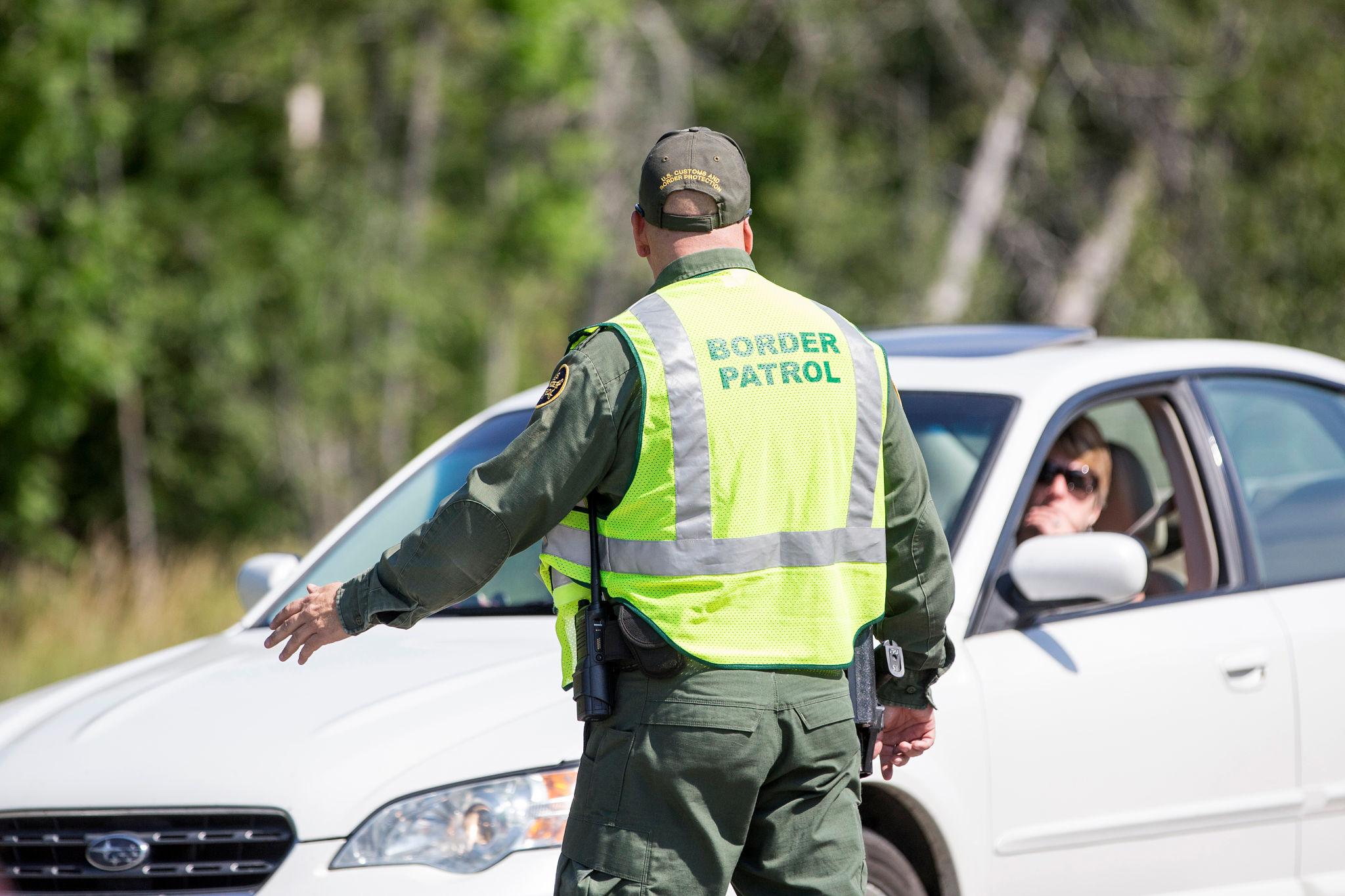
The snow fell in heavy sheets as Daniel Reeves, an American truck driver, steered his old pickup toward the border crossing. He wasn’t carrying goods — just a letter he had waited years to deliver.
On the Canadian side, Officer Maya Laurent scanned cars with her usual calm, her breath forming clouds in the winter air.
When Daniel pulled up, he rolled down his window and said,
“I’m just heading to Vancouver to see someone.”
But his voice trembled.
Maya noticed immediately.
“Sir, purpose of travel?” she asked.
Daniel hesitated, gripping the steering wheel.
“To fix something I broke a long time ago.”
Those words were enough to raise suspicion.
And so the argument began.
PART 2 — The Argument at the Line

“Sir, I need clear answers,” Maya said.
“A reunion,” he replied. “With my daughter.”
Maya paused.
He looked too nervous, too emotional — and emotional travelers often hid more than luggage.
“Why now?” she asked.
“Because she’s finally old enough to understand why I left,” Daniel whispered.
Maya checked her screen.
Then froze.
There was a flag on Daniel’s name — a decade-old incident:
a failed custody battle, a border violation, and a restraining note filed when he tried crossing before.
Maya stepped back.
“Sir… you know I can’t let you through.”
Daniel’s frustration exploded.
“You don’t get it! She thinks I abandoned her! I just want to tell her the truth!”
Their voices rose.
Snow fell harder.
Traffic behind them built up.
But beneath the argument, something deeper was happening:
Maya wasn’t facing a criminal.
She was facing a father drowning in regret.
PART 3 — The Line That Isn’t a Wall

After nearly an hour of heated back-and-forth, the storm began to calm — outside and between them.
Maya asked softly,
“Do you have proof you were invited?”
Daniel handed her a folded envelope — a letter from his daughter, handwritten.
“Dad, I’m ready to talk.
If you ever cross the border again… I won’t run.”
Maya read it twice.
Something shifted inside her — she remembered her own father, who had moved provinces and rarely called.
She swallowed the ache in her throat.
“Sir… I can’t erase the flag,” she said gently, “but I can request a supervisor review. I can walk you through paperwork. I can make sure you get the chance to try again — legally.”
Daniel’s shoulders shook.
A mix of relief and heartbreak.
The border didn’t disappear.
But it stopped being a wall.
As the sun rose behind them, Daniel whispered,
“Thank you… for not treating me like a mistake.”
Maya smiled faintly.
“Sometimes the hardest borders aren’t on maps.”
And so—
with hope instead of anger—
they began the process that would bring a father and daughter together again.
